runningafterpowercopy1670116961-1673834237

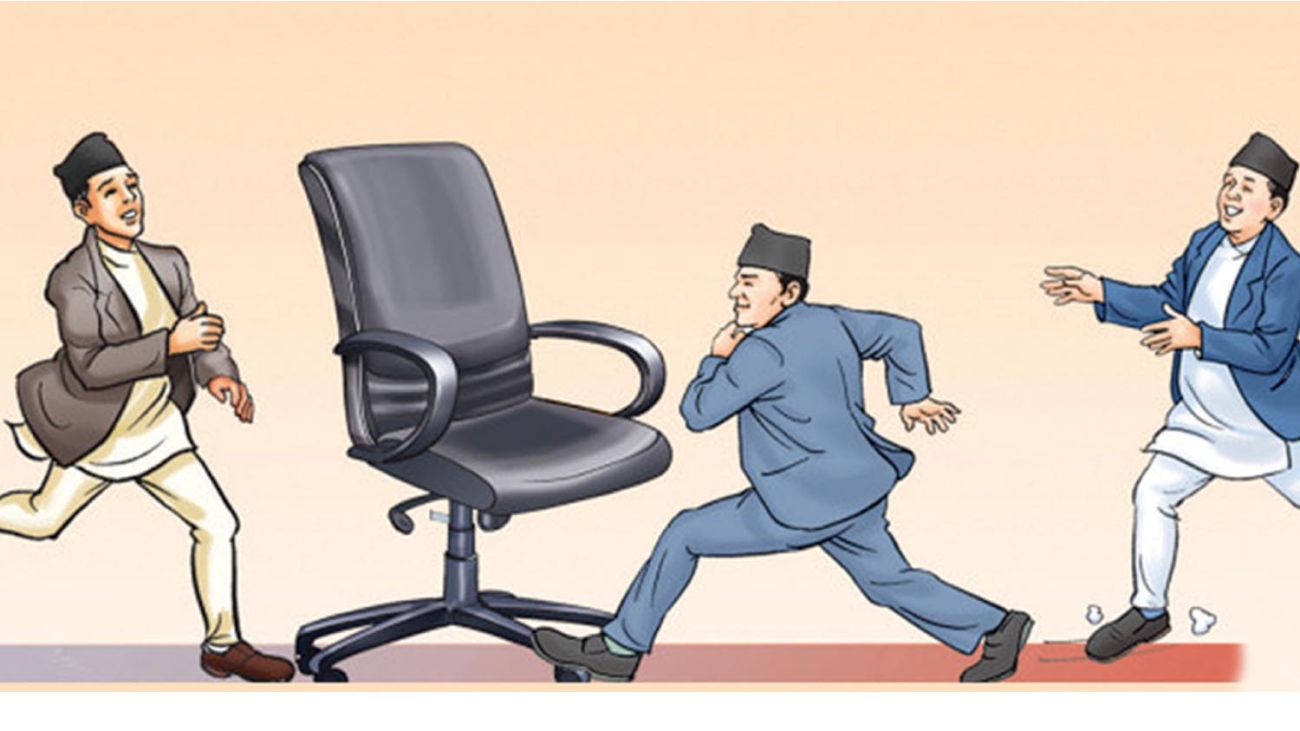
The Human Cost of Political Instability in Nepal

While political instability is often discussed in terms of power struggles and governance, the real burden is borne by the people. This article highlights how ongoing political turmoil affects everyday life in Nepal.

1. Economic Consequences

  • Investors hesitate due to unpredictability in governance.
  • Jobs remain scarce, particularly for youth, pushing many abroad for work.
  • Inflation and budget delays further squeeze daily lives.

2. Governance and Services

  • Frequent changes in leadership disrupt public services and development efforts.
  • Health and education sectors suffer due to inconsistent policy enforcement.
  • Local governments often remain underfunded or neglected.

3. Migration and Brain Drain

  • Skilled professionals and students continue to leave, seeking stability and opportunity.
  • The country loses critical human resources needed for development.

4. Mental and Social Strain

  • Political uncertainty leads to increased anxiety and frustration among citizens.
  • Polarization and political apathy weaken civil society engagement.

Political instability in Nepal is not just a headline issue—it’s a daily struggle for millions. Stability isn’t just about leadership; it’s about improving lives, ensuring fairness, and building trust.

thumb

A Cycle of Change: Understanding Nepal’s Political Instability

Nepal’s political journey has been anything but smooth. From a monarchy to a federal democratic republic, the country has experienced a series of transformations. Yet, political instability remains one of its most persistent challenges. This article explores the causes, impacts, and potential pathways forward.

1. Historical Context

  • Nepal was ruled by monarchs until 2008 when the monarchy was officially abolished.
  • The 10-year civil war led by Maoist insurgents played a crucial role in restructuring the nation.
  • Since then, Nepal has seen frequent government changes, coalition collapses, and weak political accountability.

2. Factors Fueling Instability

  • Fragmented Political Parties: The proliferation of parties and internal splits, especially within major ones like the Nepali Congress and CPN-UML, has made stable governance difficult.
  • Coalition Governments: Short-lived alliances often collapse due to competing interests.
  • Lack of Institutional Strength: Weak judiciary, bureaucracy, and local governance mechanisms contribute to poor policy implementation.
  • External Influence: Geopolitical pressures from India and China affect internal politics.

3. Consequences for the Country

  • Delayed development projects and poor economic performance.
  • High youth migration due to lack of opportunities.
  • Public disillusionment with democratic processes.

Nepal stands at a crossroads. While its democratic framework is in place, it must now work to build political culture, strengthen institutions, and foster accountability to truly achieve stability.