runningafterpowercopy1670116961-1673834237

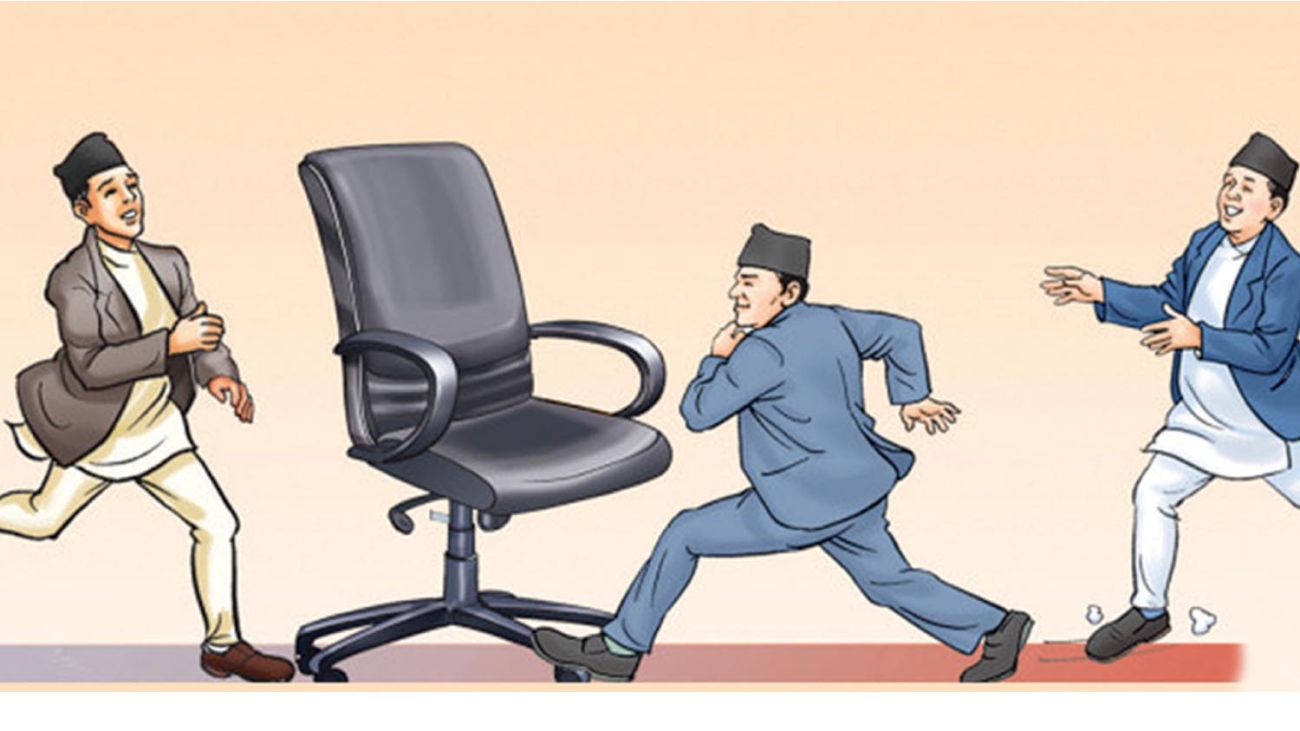
The Human Cost of Political Instability in Nepal

While political instability is often discussed in terms of power struggles and governance, the real burden is borne by the people. This article highlights how ongoing political turmoil affects everyday life in Nepal.

1. Economic Consequences

  • Investors hesitate due to unpredictability in governance.
  • Jobs remain scarce, particularly for youth, pushing many abroad for work.
  • Inflation and budget delays further squeeze daily lives.

2. Governance and Services

  • Frequent changes in leadership disrupt public services and development efforts.
  • Health and education sectors suffer due to inconsistent policy enforcement.
  • Local governments often remain underfunded or neglected.

3. Migration and Brain Drain

  • Skilled professionals and students continue to leave, seeking stability and opportunity.
  • The country loses critical human resources needed for development.

4. Mental and Social Strain

  • Political uncertainty leads to increased anxiety and frustration among citizens.
  • Polarization and political apathy weaken civil society engagement.

Political instability in Nepal is not just a headline issue—it’s a daily struggle for millions. Stability isn’t just about leadership; it’s about improving lives, ensuring fairness, and building trust.

thumb

A Cycle of Change: Understanding Nepal’s Political Instability

Nepal’s political journey has been anything but smooth. From a monarchy to a federal democratic republic, the country has experienced a series of transformations. Yet, political instability remains one of its most persistent challenges. This article explores the causes, impacts, and potential pathways forward.

1. Historical Context

  • Nepal was ruled by monarchs until 2008 when the monarchy was officially abolished.
  • The 10-year civil war led by Maoist insurgents played a crucial role in restructuring the nation.
  • Since then, Nepal has seen frequent government changes, coalition collapses, and weak political accountability.

2. Factors Fueling Instability

  • Fragmented Political Parties: The proliferation of parties and internal splits, especially within major ones like the Nepali Congress and CPN-UML, has made stable governance difficult.
  • Coalition Governments: Short-lived alliances often collapse due to competing interests.
  • Lack of Institutional Strength: Weak judiciary, bureaucracy, and local governance mechanisms contribute to poor policy implementation.
  • External Influence: Geopolitical pressures from India and China affect internal politics.

3. Consequences for the Country

  • Delayed development projects and poor economic performance.
  • High youth migration due to lack of opportunities.
  • Public disillusionment with democratic processes.

Nepal stands at a crossroads. While its democratic framework is in place, it must now work to build political culture, strengthen institutions, and foster accountability to truly achieve stability.

63e33f2dd9c71

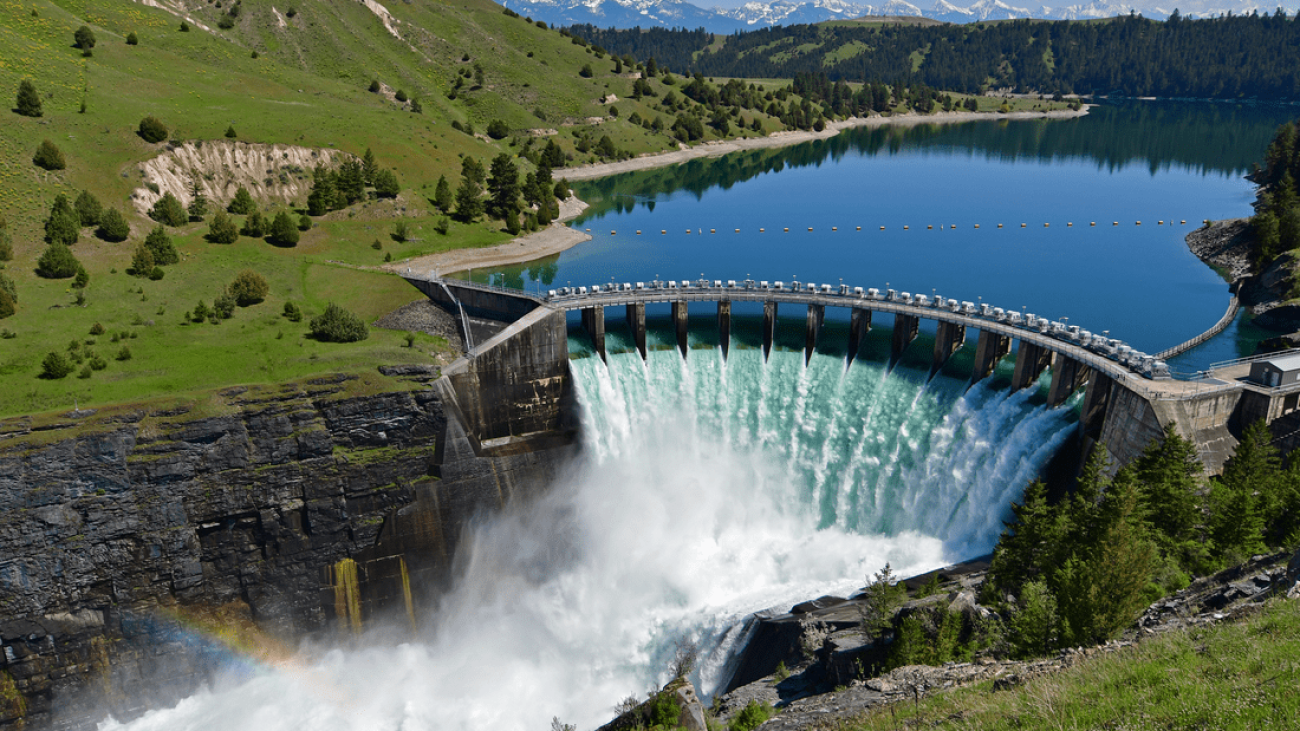
Sustainability of Hydropower in Nepal: Powering the Nation, Preserving the Future

The Promise of Water      

Nepal, often called the “second richest country in water resources,” has long looked to its rivers as a source of prosperity. With the potential to generate over 83,000 MW of hydropower, it holds the key to becoming an energy hub for South Asia.

But the question remains: Is hydropower in Nepal truly sustainable? And can we balance development with environmental and social responsibility?

Why Hydropower Matters in Nepal

1. Clean Energy Potential

Hydropower is renewable, low-carbon, and domestic. For a landlocked country like Nepal, it provides energy independence and a way to fight climate change.

2. Export Revenue & Regional Influence

Nepal has signed power trade agreements with India and Bangladesh, including a major deal to export 10,000 MW to India over 10 years. Hydropower could become a pillar of Nepal’s economy.

3. Rural Development

Local hydropower projects can bring electricity to remote communities, improve livelihoods, and reduce dependence on firewood and fossil fuels.

The Sustainability Challenge

Despite its potential, Nepal’s hydropower sector faces several environmental, social, and economic concerns:

1. Environmental Impact

  • River Ecosystems: Large dams alter river flows, affect fish migration, and disrupt aquatic biodiversity.
  • Landslides & Sedimentation: Poorly planned projects, especially in the fragile Himalayas, increase risks of landslides and erosion.
  • Climate Variability: Glacial retreat and erratic rainfall patterns from climate change make long-term water flow unpredictable.

2. Social Displacement

Large-scale hydropower projects have displaced communities, especially Indigenous peoples, without adequate compensation or resettlement support.

3. Seasonal Limitations

Most projects are run-of-the-river, meaning electricity generation drops significantly during dry months. Nepal still faces load shedding during the winter in some areas.

4. Poor Governance & Delays

Many projects suffer from corruption, delays, and lack of transparency. The much-hyped Upper Tamakoshi project, for example, took over a decade to complete.

What Makes Hydropower Sustainable?

For hydropower to be truly sustainable, it must be:

Environmentally Responsible: Minimize ecological harm with modern technology, environmental impact assessments, and sustainable dam designs.

Socially Inclusive: Ensure local communities’ benefit—through jobs, electricity access, and fair compensation for land and resources.

Economically Viable: Projects should deliver long-term returns, be climate-resilient, and avoid dependence on expensive foreign loans or consultants.

Current Progress & Innovations

  • Cross-Border Energy Trade: Nepal exported over 600 MW to India in 2023. With better grid infrastructure, this will grow.
  • Pumped Storage Projects: Being explored to store surplus power in wet seasons and supply it during dry months.
  • Private Sector Growth: Companies like Butwal Power Company and independent producers are building mid-sized projects with local investment.

Policy & Practice

To secure a sustainable hydropower future, Nepal must:

  1. Enforce Environmental Guidelines: All projects must follow strict EIAs and implement climate resilience strategies.
  2. Integrate Solar & Wind: Hybrid models can balance hydropower’s seasonal limitations.
  3. Empower Local Governments: Decentralized planning ensures projects align with local needs and ecosystems.
  4. Promote Energy Equity: Ensure rural and marginalized communities benefit—not just urban or export markets.

A Watershed Moment

Hydropower can light up Nepal’s future—but only if it is built on a foundation of sustainability, equity, and accountability. As the country positions itself as an energy exporter, it must ensure that progress doesn’t come at the cost of rivers, communities, or future generations.

Nepal’s hydropower journey is not just about generating electricity—it’s about powering a just and sustainable future.

“A Cycle of Change: Understanding Nepal’s Political Instability”

Nepal’s political journey has been anything but smooth. From a monarchy to a federal democratic republic, the country has experienced a series of transformations. Yet, political instability remains one of its most persistent challenges. This article explores the causes, impacts, and potential pathways forward.

1. Historical Context

  • Nepal was ruled by monarchs until 2008 when the monarchy was officially abolished.
  • The 10-year civil war led by Maoist insurgents played a crucial role in restructuring the nation.
  • Since then, Nepal has seen frequent government changes, coalition collapses, and weak political accountability.

2. Factors Fueling Instability

  • Fragmented Political Parties: The proliferation of parties and internal splits, especially within major ones like the Nepali Congress and CPN-UML, has made stable governance difficult.
  • Coalition Governments: Short-lived alliances often collapse due to competing interests.
  • Lack of Institutional Strength: Weak judiciary, bureaucracy, and local governance mechanisms contribute to poor policy implementation.
  • External Influence: Geopolitical pressures from India and China affect internal politics.

3. Consequences for the Country

  • Delayed development projects and poor economic performance.
  • High youth migration due to lack of opportunities.
  • Public disillusionment with democratic processes.

Nepal stands at a crossroads. While its democratic framework is in place, it must now work to build political culture, strengthen institutions, and foster accountability to truly achieve stability.
20230828055728_collage (1)

Foreign Labour Migration of Nepalese: A Nation on the Move

Every day, more than 2,000 Nepalese board planes or cross borders in search of employment abroad. From the skyscraper construction sites of the Gulf to the factories of Malaysia and the service sectors of South Korea, foreign labour migration has become a defining feature of Nepal’s socio-economic landscape.

But behind the numbers are deeper questions: Why are so many Nepalese leaving? What happens to the families left behind? And can Nepal afford to keep losing its youth?

Why Do Nepalese Migrate for Work?

1. Unemployment and Low Wages at Home

Nepal’s economy has long struggled to absorb its growing youth population. With limited industrial growth and few high-paying jobs, many young people feel forced to look abroad for a better future.

2. Economic Opportunities Abroad

Jobs in the Gulf, Malaysia, South Korea, and even India often offer salaries many times higher than those available at home. Even low-skilled positions can allow workers to send significant remittances back to their families.

3. Cultural and Social Pressure                        

In many communities, going abroad is seen as a sign of success. Young people often feel pressure from their families or peers to follow the migration route.

 The Numbers Behind the Trend

  • Over 500,000 labour permits were issued in 2024 alone.
  • Nepal is among the top 5 countries globally in terms of remittance contribution to GDP.
  • In 2023, Nepal received nearly USD 11 billion in remittances — making up more than 26% of its GDP.

These remittances help families pay for education, healthcare, housing, and everyday needs.

The Hidden Costs of Labour Migration

While migration can improve livelihoods, it also brings risks and challenges:

1. Worker Exploitation

Many Nepali migrants, especially in the Gulf, face poor working conditions, unpaid wages, long hours, and even passport confiscation.

2. Separation and Social Strain

Long-term separation from family members causes emotional distress and disrupts family structures. Children often grow up without one or both parents.

3. Migrant Deaths

Since 2008, thousands of Nepali workers have died abroad, often due to overwork, unsafe conditions, or lack of healthcare. An estimated 2 Nepali migrant workers die every day.

4. Brain Drain

While most labour migrants take low-skilled jobs, a growing number of educated and skilled youth are also leaving — weakening Nepal’s human capital.

A Way Forward: Rethinking Migration

Migration is not inherently negative. The key is to manage it ethically, ensure worker protection, and create opportunities at home. Here are some suggestions:

  • Enforce ethical recruitment practices and reduce illegal fees charged by agents.
  • Improve pre-departure training so workers know their rights and responsibilities.
  • Create jobs in Nepal through investment in agriculture, IT, tourism, and entrepreneurship.
  • Support returnee migrants to start businesses and reintegrate into society.

Labour migration has lifted millions of Nepalese out of poverty. It has funded education, built homes, and transformed rural communities. But it is also a sign of something missing at home: opportunity.

If Nepal truly wants a future where migration is a choice — not a necessity — it must invest in its people, protect its workers, and reimagine what development looks like.