

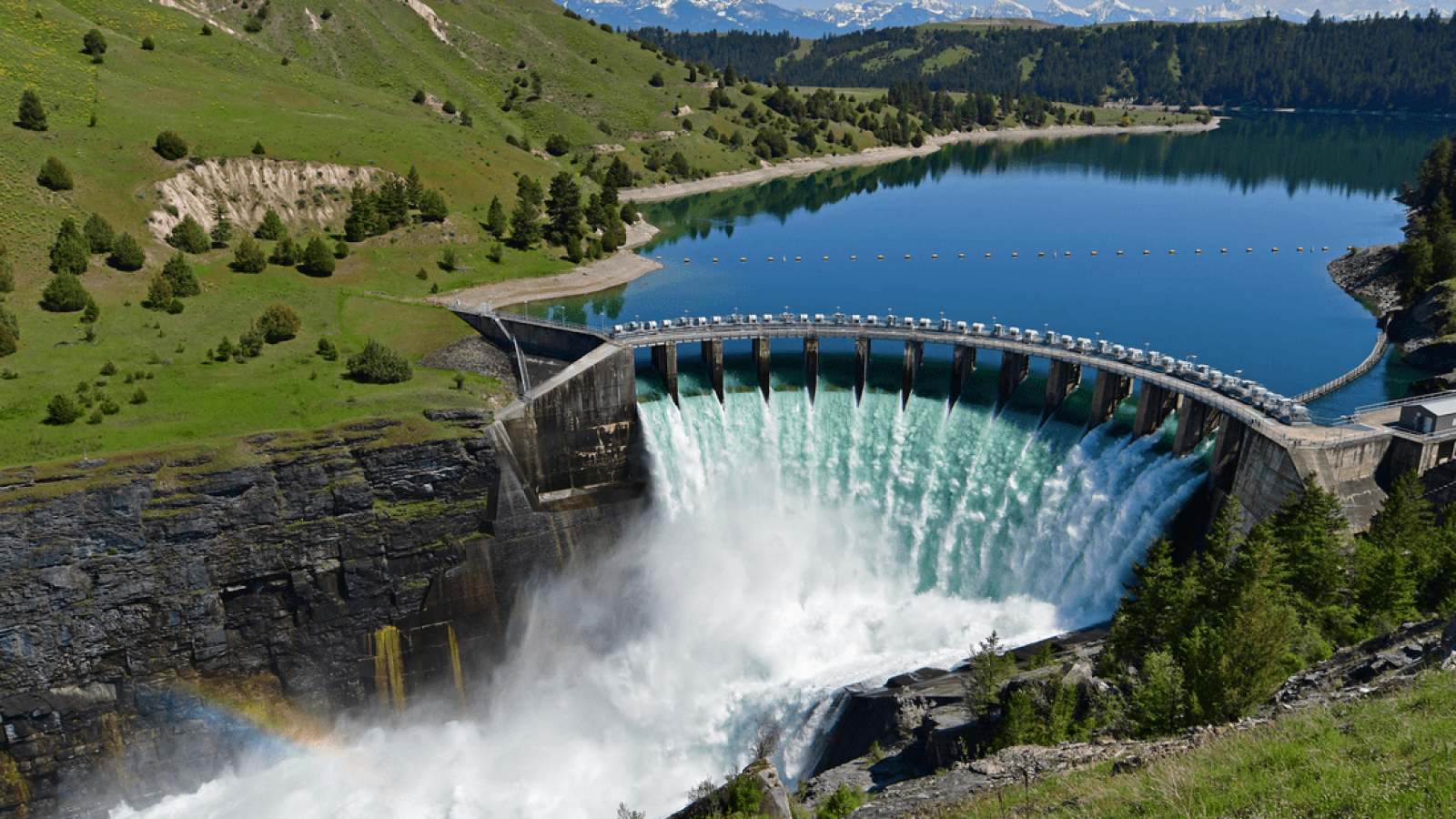
The Promise of Water
Nepal, often called the “second richest country in water resources,” has long looked to its rivers as a source of prosperity. With the potential to generate over 83,000 MW of hydropower, it holds the key to becoming an energy hub for South Asia.
But the question remains: Is hydropower in Nepal truly sustainable? And can we balance development with environmental and social responsibility?
Why Hydropower Matters in Nepal
1. Clean Energy Potential
Hydropower is renewable, low-carbon, and domestic. For a landlocked country like Nepal, it provides energy independence and a way to fight climate change.
2. Export Revenue & Regional Influence
Nepal has signed power trade agreements with India and Bangladesh, including a major deal to export 10,000 MW to India over 10 years. Hydropower could become a pillar of Nepal’s economy.
3. Rural Development
Local hydropower projects can bring electricity to remote communities, improve livelihoods, and reduce dependence on firewood and fossil fuels.
The Sustainability Challenge
Despite its potential, Nepal’s hydropower sector faces several environmental, social, and economic concerns:
1. Environmental Impact
- River Ecosystems: Large dams alter river flows, affect fish migration, and disrupt aquatic biodiversity.
- Landslides & Sedimentation: Poorly planned projects, especially in the fragile Himalayas, increase risks of landslides and erosion.
- Climate Variability: Glacial retreat and erratic rainfall patterns from climate change make long-term water flow unpredictable.
2. Social Displacement
Large-scale hydropower projects have displaced communities, especially Indigenous peoples, without adequate compensation or resettlement support.
3. Seasonal Limitations
Most projects are run-of-the-river, meaning electricity generation drops significantly during dry months. Nepal still faces load shedding during the winter in some areas.
4. Poor Governance & Delays
Many projects suffer from corruption, delays, and lack of transparency. The much-hyped Upper Tamakoshi project, for example, took over a decade to complete.
What Makes Hydropower Sustainable?
For hydropower to be truly sustainable, it must be:
Environmentally Responsible: Minimize ecological harm with modern technology, environmental impact assessments, and sustainable dam designs.
Socially Inclusive: Ensure local communities’ benefit—through jobs, electricity access, and fair compensation for land and resources.
Economically Viable: Projects should deliver long-term returns, be climate-resilient, and avoid dependence on expensive foreign loans or consultants.
Current Progress & Innovations
- Cross-Border Energy Trade: Nepal exported over 600 MW to India in 2023. With better grid infrastructure, this will grow.
- Pumped Storage Projects: Being explored to store surplus power in wet seasons and supply it during dry months.
- Private Sector Growth: Companies like Butwal Power Company and independent producers are building mid-sized projects with local investment.
Policy & Practice
To secure a sustainable hydropower future, Nepal must:
- Enforce Environmental Guidelines: All projects must follow strict EIAs and implement climate resilience strategies.
- Integrate Solar & Wind: Hybrid models can balance hydropower’s seasonal limitations.
- Empower Local Governments: Decentralized planning ensures projects align with local needs and ecosystems.
- Promote Energy Equity: Ensure rural and marginalized communities benefit—not just urban or export markets.
A Watershed Moment
Hydropower can light up Nepal’s future—but only if it is built on a foundation of sustainability, equity, and accountability. As the country positions itself as an energy exporter, it must ensure that progress doesn’t come at the cost of rivers, communities, or future generations.
Nepal’s hydropower journey is not just about generating electricity—it’s about powering a just and sustainable future.
“A Cycle of Change: Understanding Nepal’s Political Instability”
Nepal’s political journey has been anything but smooth. From a monarchy to a federal democratic republic, the country has experienced a series of transformations. Yet, political instability remains one of its most persistent challenges. This article explores the causes, impacts, and potential pathways forward.
1. Historical Context
- Nepal was ruled by monarchs until 2008 when the monarchy was officially abolished.
- The 10-year civil war led by Maoist insurgents played a crucial role in restructuring the nation.
- Since then, Nepal has seen frequent government changes, coalition collapses, and weak political accountability.
2. Factors Fueling Instability
- Fragmented Political Parties: The proliferation of parties and internal splits, especially within major ones like the Nepali Congress and CPN-UML, has made stable governance difficult.
- Coalition Governments: Short-lived alliances often collapse due to competing interests.
- Lack of Institutional Strength: Weak judiciary, bureaucracy, and local governance mechanisms contribute to poor policy implementation.
- External Influence: Geopolitical pressures from India and China affect internal politics.
3. Consequences for the Country
- Delayed development projects and poor economic performance.
- High youth migration due to lack of opportunities.
- Public disillusionment with democratic processes.
Nepal stands at a crossroads. While its democratic framework is in place, it must now work to build political culture, strengthen institutions, and foster accountability to truly achieve stability.
Add a Comment